Fashion
Who Pays for Fashion: London vs LA
This summer, two institutions took opposite approaches to one of fashion's most uncomfortable questions: who really foots the bill for creativity?
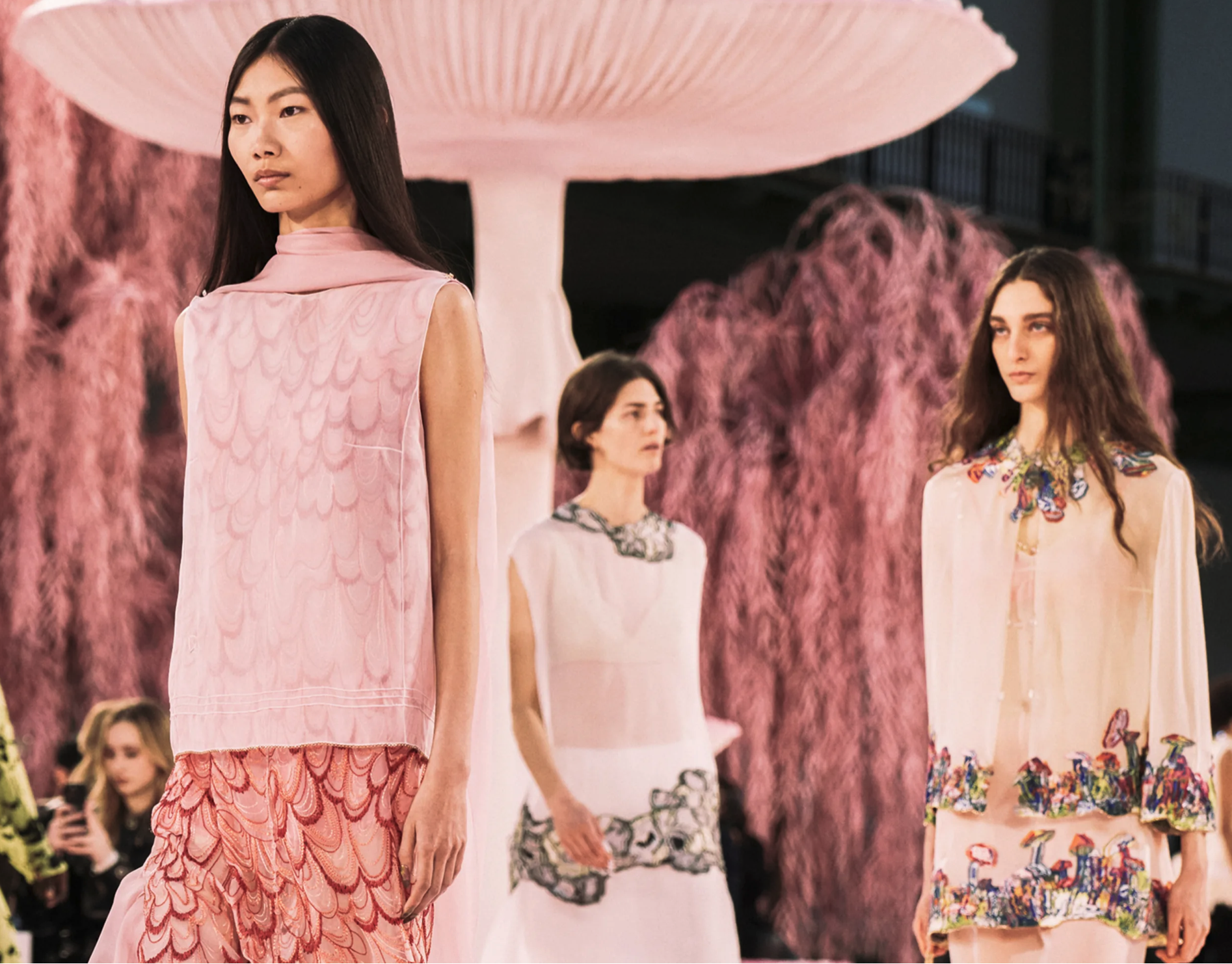
In London, new British Fashion Council CEO Laura Weir tore up a long-standing rule: the fees designers pay to appear on the official London Fashion Week schedule. For years, this pay-to-play system locked out emerging voices and entrenched the dominance of global brands. Scrapping it is a radical gesture signalling that the BFC's role is not to tax creativity, but to underwrite it. In an era when costs of entry can smother talent before it starts, this is an attempt to reset London as the incubator of the next McQueen moment. One of the biggest challenge in London for Weir is the lack of interesrt from international buyers.
Meanwhile in Los Angeles, Vogue World took the opposite stance. Tickets for its September show were priced at $25,000 each, with proceeds directed to support local costume designers whose livelihoods were hit by industry strikes. Pure exclusivity - a donor-class spectacle - but with a philanthropic twist. Instead of lowering barriers, Vogue World raised them to the stratosphere, then channelled the proceeds to those behind the scenes who actually dress Hollywood.Side by side, they illustrate fashion's central tension in 2025. London is betting on inclusivity for makers. Los Angeles is monetising exclusivity for audiences. Both strategies have merit. One nurtures the grassroots, the other weaponises luxury's scarcity to fund cultural labour.The bigger question: can fashion have it both ways? Can it democratise opportunity for talent while still commanding prestige prices from audiences hungry for status? That balance between access and allure may decide which cities, brands, and institutions shape the next decade.
.png)



.png)




.jpg)